For anyone venturing into the world of Forex trading, understanding forex trading strategies Trading Cambodia and implementing effective strategies is key to success. Forex trading, or foreign exchange trading, involves buying and selling currency pairs in an attempt to profit from fluctuations in exchange rates. With over $6 trillion traded daily, the Forex market offers immense opportunities, but it also comes with its share of risks. This article delves into various Forex trading strategies that can help traders navigate this dynamic landscape.
Understanding Forex Trading Strategies
Forex trading strategies are essential tools for traders that guide their decision-making processes. These strategies can be broadly categorized into three types: technical analysis, fundamental analysis, and sentiment analysis. Each approach has its unique methodologies, and effective traders often combine various strategies to enhance their chances of success.
1. Technical Analysis
Technical analysis is one of the most popular strategies among Forex traders. It revolves around the study of past price movements and utilization of various tools to predict future price trends. Traders often rely on charts to visualize data and identify patterns, using indicators such as Moving Averages, Relative Strength Index (RSI), and Bollinger Bands.
- Moving Averages: Traders utilize moving averages to smooth out price data over a specific period, helping to identify the overall trend direction.
- Relative Strength Index (RSI): This momentum oscillator measures the speed and change of price movements, indicating overbought or oversold conditions.
- Bollinger Bands: These bands adjust themselves to market volatility, providing insights into whether the market is overbought or oversold.
Combining these indicators with price action can help traders make more informed decisions. However, it’s essential to remember that no tool or indicator can guarantee success, and proper risk management is crucial.
2. Fundamental Analysis
While technical analysis focuses on price data, fundamental analysis takes a broader approach by evaluating economic indicators, news events, and geopolitical factors that impact currency values. Key components of fundamental analysis include:
- Economic Indicators: These include GDP, unemployment rates, inflation numbers, and other data releases that reflect a country’s economic health.
- Interest Rates: Central bank policies and changes in interest rates can significantly affect currency values. Traders often follow central bank announcements closely to anticipate market reactions.
- Political Events: Elections, trade agreements, and geopolitical tensions can lead to volatility in currency markets, making them essential factors for traders to consider.
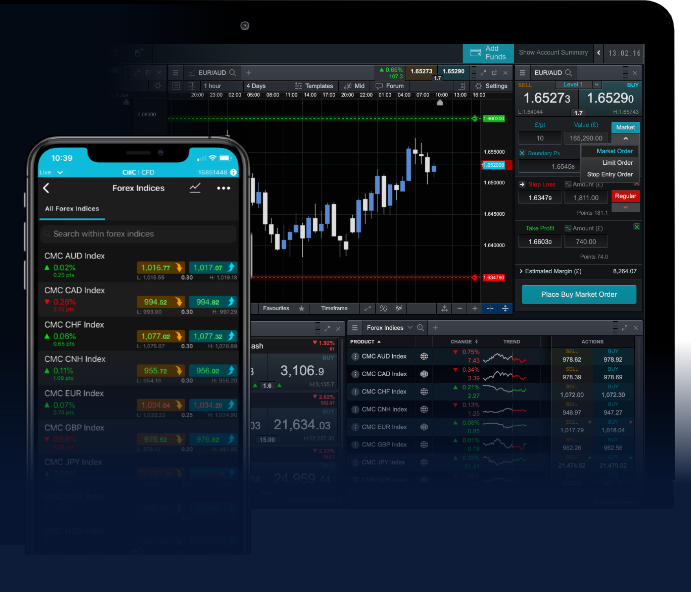
Understanding these fundamentals can provide traders with insights into potential price movements and help them make strategic decisions in their trading activities.
3. Sentiment Analysis
Sentiment analysis focuses on the overall attitude of traders towards a particular currency pair. It seeks to gauge market sentiment and trader psychology through tools such as the Commitment of Traders (COT) report and market news sentiment. This approach helps traders determine whether a currency may be overvalued or undervalued based on market sentiment.
Indicators such as the Fear and Greed Index can also be useful in understanding market emotions. Balancing sentiment analysis with technical and fundamental analysis can provide a more comprehensive view of market conditions.
Implementing a Trading Strategy
While understanding different strategies is important, implementing them effectively is crucial. Here are some steps to consider when implementing a Forex trading strategy:
1. Create a Trading Plan
A well-defined trading plan outlines your trading goals, risk tolerance, and the specific strategies you intend to use. It serves as a roadmap to guide your trading decisions and helps you remain disciplined.
2. Set Realistic Goals
Setting achievable trading goals can keep your expectations in check. Rather than aiming for unrealistic profits, focus on consistent, smaller gains over time. This approach not only reduces stress but also enhances your overall trading performance.
3. Practice Risk Management
Managing risk is a critical component of successful Forex trading. Determine how much of your capital you are willing to risk on each trade and use stop-loss orders to protect yourself from significant losses. This disciplined approach can help you preserve your capital and maintain your trading activities over the long term.
4. Continuously Evaluate and Adapt
The Forex market is constantly evolving, and what works today may not work tomorrow. Regularly assess your trading performance and be willing to adjust your strategies based on market conditions and personal experiences. This adaptability can improve your overall trading effectiveness.
Final Thoughts
Forex trading can be a highly rewarding venture, but it requires patience, discipline, and a solid understanding of trading strategies. By mastering technical, fundamental, and sentiment analyses, and by implementing a well-defined trading plan, you can enhance your chances for success. Remember to practice risk management and remain adaptable to changing market conditions. With dedication and the right strategies, you can navigate the Forex market and work towards achieving your financial goals.
