Beginner’s Guide to Forex Trading
Forex trading, or foreign exchange trading, is the process of buying and selling currencies on the foreign exchange market with the goal of making a profit. For beginners, the world of forex can seem daunting, but with the right knowledge and tools, anyone can start trading successfully. In this guide, we will cover essential aspects of Forex trading, including tips for beginners, common strategies, and resources to help you get started. Don’t forget to check out beginner forex trading Trading Brokers in Vietnam for more insights on how to choose the right broker!
What is Forex Trading?
The foreign exchange market is the largest and most liquid market in the world. It operates 24 hours a day and involves trading currencies in pairs, such as EUR/USD or GBP/JPY. The primary aim of forex trading is to capitalize on changes in currency values. If you believe that the price of a currency will rise relative to another, you can buy the currency pair; conversely, if you believe the price will fall, you can sell it.
Importance of a Good Trading Strategy
Having a solid trading strategy is crucial for success in forex trading. A trading strategy is a plan that outlines how you will enter and exit trades based on your analysis of market conditions. Good strategies typically incorporate technical analysis, fundamental analysis, risk management techniques, and psychological discipline. Below are some key points to consider when developing your own trading strategy:
- Set Clear Goals: Define what you want to achieve through trading. This could be a specific financial target or a percentage return on investment.
- Identify a Market Niche: Focus on a particular currency pair or market segment that you’re interested in, and learn as much as you can about it.
- Use Risk Management Techniques: Always set stop-loss orders to minimize potential losses, and never risk more than a small percentage of your total trading capital on a single trade.
Essential Forex Trading Terms for Beginners
Before diving into trading, it’s essential to understand some key terminologies used in the forex market:
- Pip: A pip (percentage in point) is the smallest price move in a currency pair. It’s usually the fourth decimal place.
- Leverage: Leverage allows you to control a larger position with a smaller amount of capital. However, it also increases risk.
- Spread: The spread is the difference between the bid price and the ask price of a currency pair.
Types of Forex Analysis
Forex traders use different types of analysis to forecast currency movements. The two primary forms of analysis are:
1. Fundamental Analysis
Fundamental analysis involves evaluating economic indicators, news events, and geopolitical factors that can affect currency values. Traders look at data such as GDP growth rates, employment figures, and interest rates to make informed decisions.
2. Technical Analysis
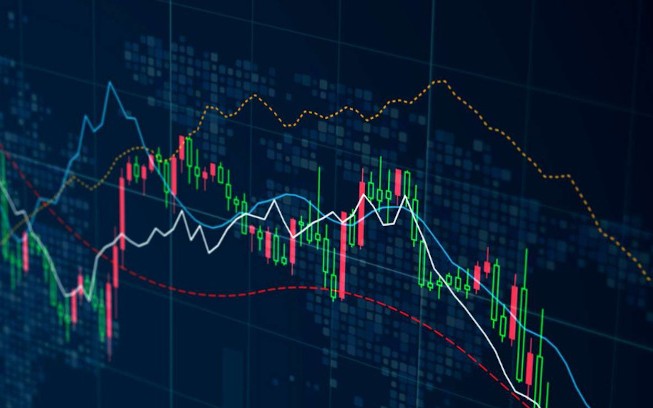
Technical analysis, on the other hand, focuses on price action and market trends. Traders use charts and various indicators (like moving averages, RSI, and MACD) to predict future movements based on historical data.
Risk Management in Forex Trading
Risk management is one of the most critical components of successful forex trading. You can face significant losses if proper risk management strategies are not implemented. Here are some risk management techniques you should consider:
- Diversification: Avoid putting all your capital into one trade or one currency pair. Spread your investments to manage risk better.
- Position Sizing: Only risk a small percentage (typically 1-2%) of your trading capital on any single trade to mitigate potential losses.
- Regular Assessment: Continuously review and assess your trading performance and adjust your strategies as necessary.
Choosing a Forex Broker
Selecting the right broker is crucial to successful forex trading. When looking for a forex broker, consider the following factors:
- Regulation: Ensure the broker is regulated by a reputable financial authority to guarantee your funds’ safety.
- Trading Platform: The trading platform should be user-friendly and provide the necessary tools and features for analysis and executing trades.
- Customer Support: A good broker should have reliable customer support available through various channels.
Getting Started with Trading
Once you have a grasp of the basics, here are steps to get started with forex trading:
- Education: Invest time in learning about forex trading through courses, webinars, books, and online resources.
- Open a Demo Account: Practice trading with a demo account to gain experience without risking real money.
- Start Trading with Real Money: When you feel confident, you can start trading with a live account. Begin with a small amount and gradually scale up as you gain experience.
Continuous Learning and Improvement
The forex market is dynamic, and continuous learning is essential for traders. Keep reading market news, following economic indicators, and enhancing your trading strategies. Consider joining trading communities and forums to gather insights from other traders.
Conclusion
Forex trading can be a rewarding endeavor with the potential for substantial profits. However, it comes with inherent risks that every trader must consider. Start your trading journey with a solid strategy, proper education, and effective risk management. By doing so, you’ll significantly increase your chances of trading success. Remember, patience and persistence are key, as success in forex trading doesn’t happen overnight!
